
Quick answer
Three filters separate the FVGs that print from the ones that just sit there: higher-timeframe context, structural breakers, and a clear draw on liquidity. If a gap fails any of the three, leave it on the chart.
Introduction
When I started learning ICT six or seven months in, fair value gaps confused the hell out of me. There are so many on the chart at any given time. Which one matters? Which one do you take? How do you tell?
This is the framework I wish someone had given me. It's not fancy. It works. Higher timeframe context, structural breakers, draw on liquidity. Three filters. That's how you separate the FVGs that print from the ones that just sit there.
“There could be so many at one time and I kind of want to explain when to take one. This is more for beginners. There's a lot of fair value gaps you could take.
”Kevin Dhesi · @dhesi_trades
What a Fair Value Gap Is
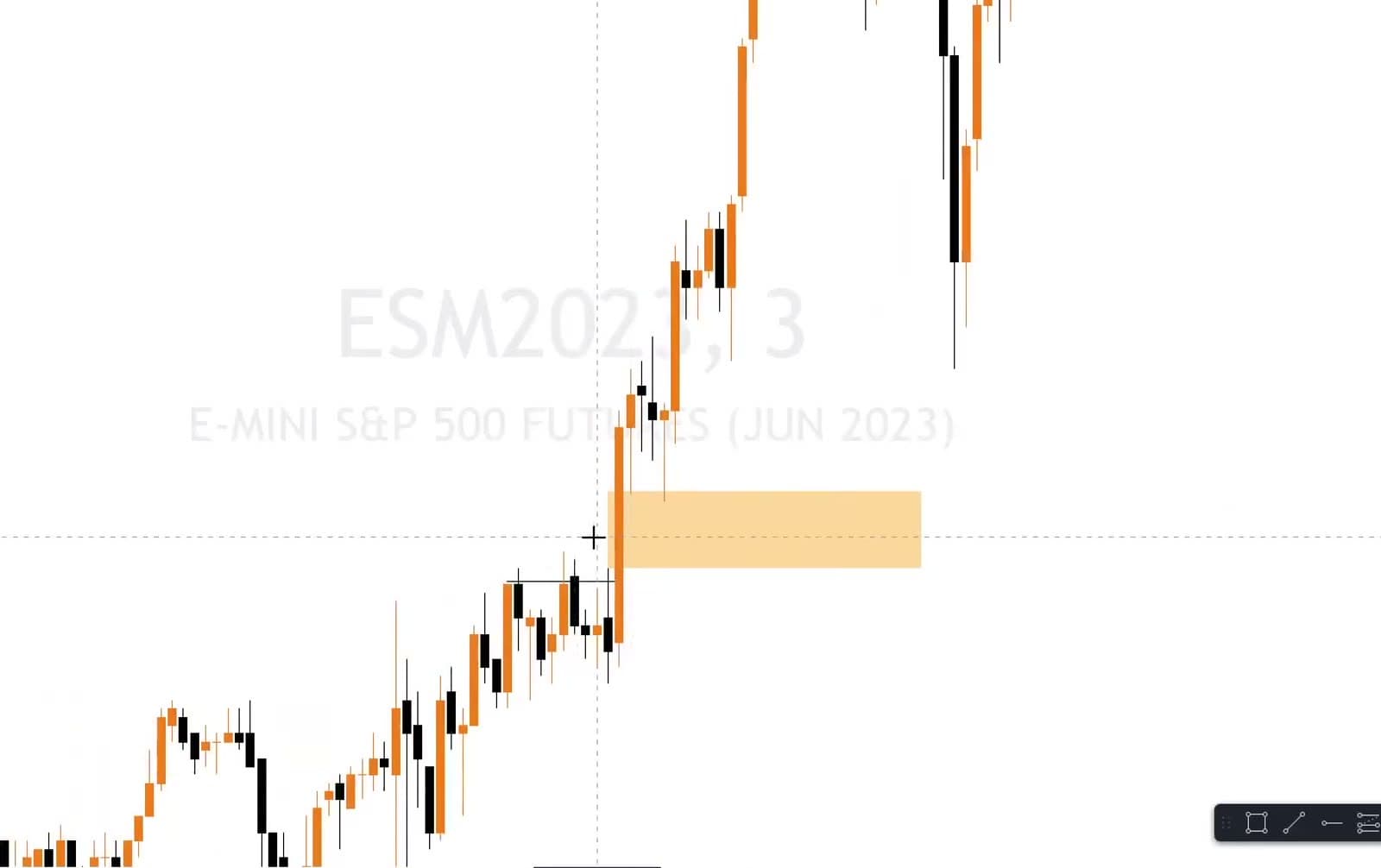
A Fair Value Gap is a three-candle pattern where the wick of the first candle and the wick of the third candle leave an unfilled price range. The body of the middle candle "skipped" that zone.
The market hates inefficient delivery. Most of the time, price will return to fill that gap before continuing. That's why the FVG acts as a high-probability area of interest.
The Fair Value Gap
 Dhesi Trades
The Filter: Three Things That Make an FVG Tradeable
1. Higher Timeframe Context
The 1-minute is full of FVGs. Most of them mean nothing. Use the 3-min, 5-min, or 15-min to find structural breakers and FVGs that have real weight. The higher the timeframe, the more significant the gap.
2. A Breaker of Structure
An FVG that forms during a clean break of structure is one I take. An FVG that forms in chop is one I skip. The displacement candle that creates the gap also has to be the candle that violates a prior swing high or low. That's the structural confirmation.
3. Drawn Liquidity Above (or Below)
An FVG is just a magnet. There needs to be something pulling price beyond the gap. Daily highs, equal highs, session highs. You need a target. No draw, no trade.
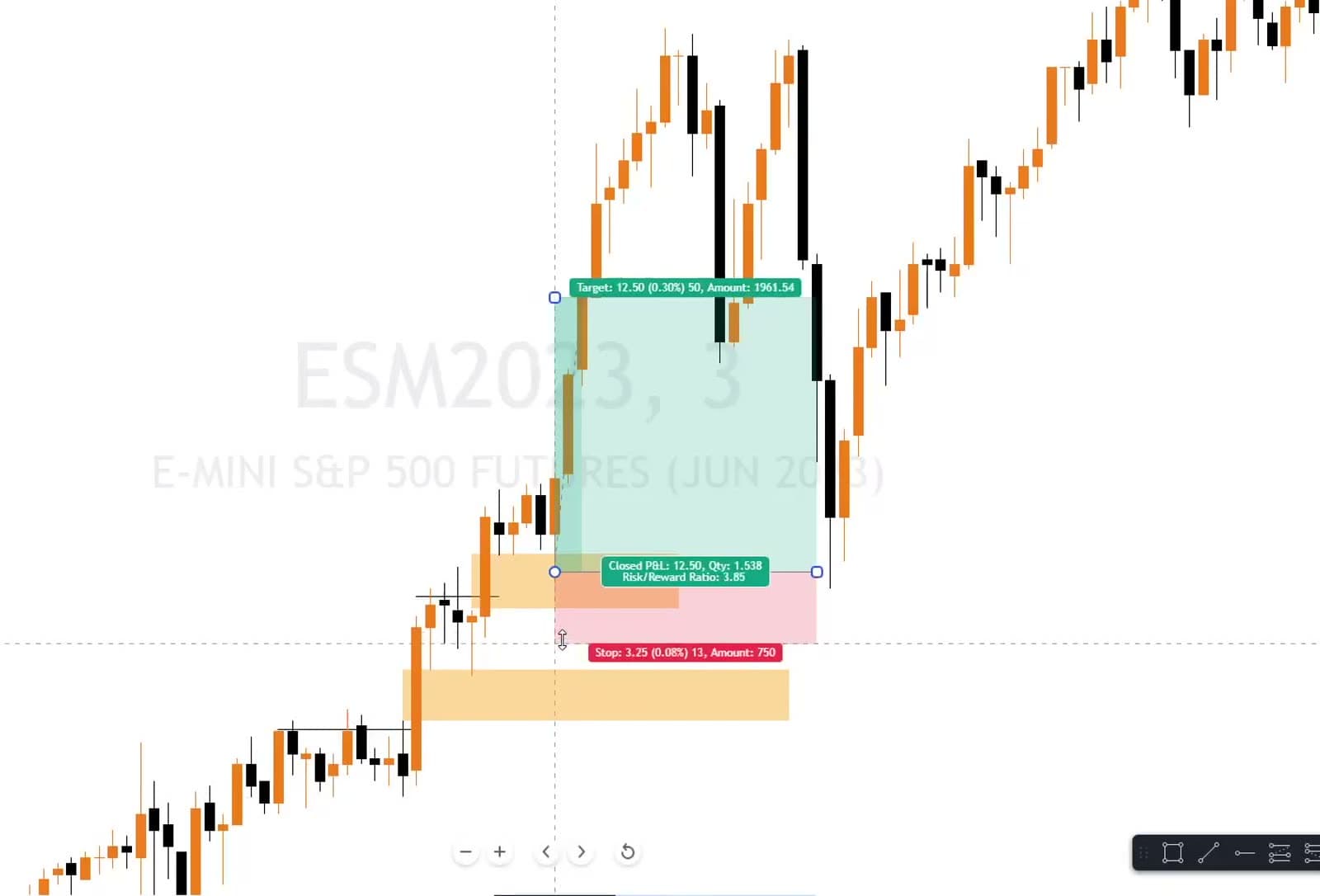
The Textbook Entry
 Dhesi Trades
The Rules I Trade By
- Establish your bias from a higher timeframe. Bullish or bearish, pick a side before you zoom in.
- Mark your drawn liquidity. The daily/session high or low you're targeting.
- Drop to the 3-min or 5-min. Look for a clean break of structure.
- The displacement candle that broke structure should also create an FVG.
- Wait for price to retrace into the FVG. 50% mark or deeper is a better fill.
- Stop goes under the displacement candle. A few ticks of buffer is fine.
- First target: relative equal highs/lows. Final target: drawn liquidity.
- If you don't get a clean retracement, don't chase. The setup will repeat.
When NOT To Take It
- FVG forms in chop. No structure break = no edge. The market is just ranging.
- No drawn liquidity. If price has nothing to chase, the FVG won't fill.
- The gap is too small. A 1-point gap on ES isn't worth the risk-reward. Skip.
- You're trading against the higher timeframe. A bullish FVG on the 1-minute inside a daily bearish move is a low-probability fight.
- Price never retraces. If it runs without giving you an entry, let it go. Don't chase.
The Bottom Line
FVGs are simple in concept and dangerous in practice. The pattern is everywhere. The valid setup isn't. Use the higher timeframe to find context. Use structure breaks to find significance. Use drawn liquidity to find your target.
If all three line up, take the trade. If even one is missing, sit on your hands. That's it. That's the whole framework.
“This is how I like to teach fair value gaps for beginners. Obviously I'm not the inventor of this, but that's just how I like to do it.
”Kevin Dhesi